Need hand with your cleaning?
A coffee spill takes seconds. The stain it leaves, if ignored, can take weeks to deal with. Whether it was a full mug or a slow drip you only noticed later, how quickly and correctly you respond will determine whether that stain comes out completely or becomes a permanent fixture in your carpet.
Knowing how to remove coffee stains from carpet the right way makes a real difference. This guide walks you through the process from the moment the spill happens right through to when it might be time to call in professional help.
Coffee contains tannins, naturally occurring plant compounds that bond to carpet fibres quickly and leave behind that familiar yellow-brown mark. The stronger your brew, the more aggressive the staining.
Add milk or sugar to the mix, and it becomes more complicated. These ingredients can push the stain deeper into the pile and, if left untreated, create conditions for bacterial growth. That’s why coffee stains from carpet sit in a different category from most everyday household spills. They respond poorly to half-measures and get harder to treat the longer they’re left.
The most important thing you can do is act quickly. A fresh spill that hasn’t bonded to the fibres yet is far easier to treat than one that has been sitting for even thirty minutes.
Grab a clean cloth, paper towels, or a dry towel and start blotting immediately. Work from the outer edge of the spill toward the centre. This stops the stain from spreading outward as you apply pressure. The instinct to scrub is understandable, but it makes things worse. Rubbing forces the liquid deeper into the pile.
Once you’ve lifted as much of the spill as possible, pour a small amount of cold water directly onto the stain to dilute what remains, then blot again with a fresh dry towel or more paper towels. Avoid hot water at this early stage. Heat accelerates the bonding process and can set the tannins permanently.
The method you choose will depend largely on whether the stain is fresh or has already dried, and what you have on hand. Each of the following approaches has a specific strength.
Good intentions don’t always lead to good results. Scrubbing is the most common error people make, and it causes two problems at once: it damages carpet fibres and drives the stain deeper rather than lifting it.
Using a hot iron to speed up drying is another mistake that permanently fixes the stain in place. Oversaturating the area is also a problem; too much water without proper blotting leaves a wet base beneath the surface, which can encourage mould. Always work with a damp towel rather than flooding the carpet, and give the area time to dry between treatment steps.
There’s a point where repeated DIY attempts stop being productive. If you’ve tried to remove a coffee stain more than once and it keeps reappearing, or if the carpet’s texture or colour has visibly changed, professional treatment is the more sensible path forward.
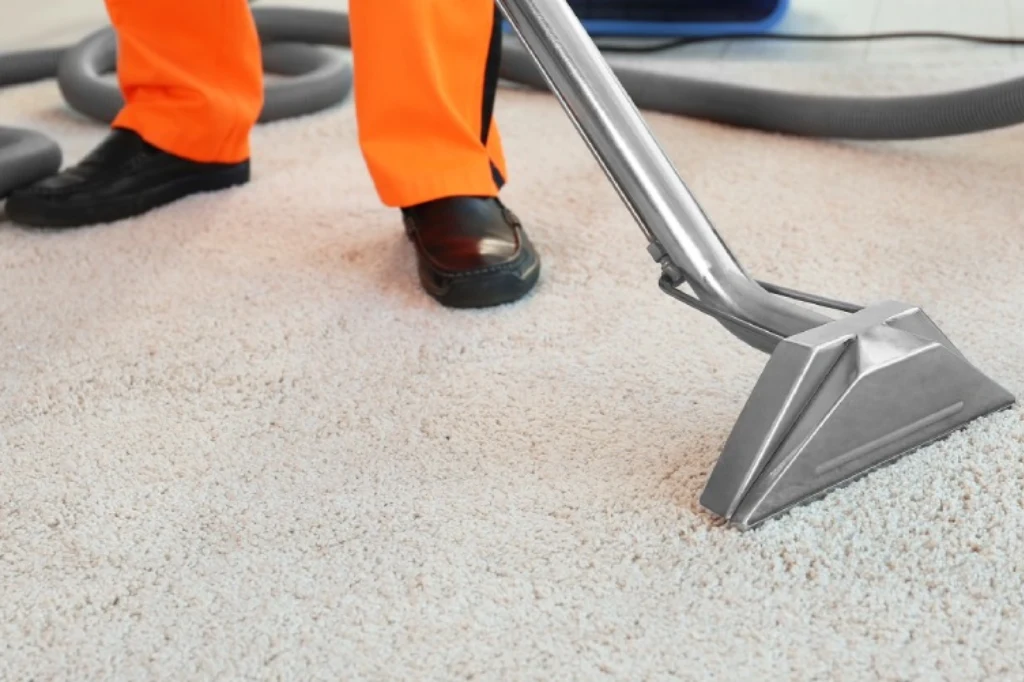
Stubborn stains that have soaked through to the underlay can’t be fully addressed from the surface. A professional carpet cleaner uses hot water extraction equipment and commercial-grade products that genuinely remove tough stains without causing further damage. For homeowners in Auckland, Carpet Cleaning / Stain Removal Services Auckland provides this level of treatment using equipment that isn’t available off-the-shelf.
Applying a fabric protector after a deep clean creates a barrier that slows absorption and gives you a better window to blot up spills before they reach the fibres. It’s one of the most practical things you can do between cleans.
Placing clean cloth mats in areas where coffee is regularly consumed is a simple habit that pays off. And when a spill does happen, always act quickly, even if it looks small. For carpets that see regular foot traffic or frequent use, periodic deep cleaning by professional cleaners in Auckland helps maintain the condition of the fibres and keeps stain removal from becoming a recurring problem.
Most household solutions need around five to ten minutes of contact time before blotting. Enzyme-based stain-remover products may require up to 15 minutes to work properly. Don't let any solution dry completely on the carpet before you remove it. Once it dries in place, it can leave its own residue behind.
Yes, though it takes more patience. Start by re-moistening the dried stain with warm water to loosen the bond, then apply a baking soda paste or a white vinegar solution, and let it sit longer than you would for a fresh spill. If the stain still doesn't lift after a couple of attempts, professional stain removal is likely the more effective route at that point.
Salt can pull moisture from a very fresh spill, but it offers little once the liquid has begun to set. Applied in large quantities, it leaves a residue that attracts dirt over time. For most situations, baking soda is the better choice. It absorbs moisture effectively, neutralises odours, and won't leave carpet fibres worse off than before.
